Diesel diagnostics
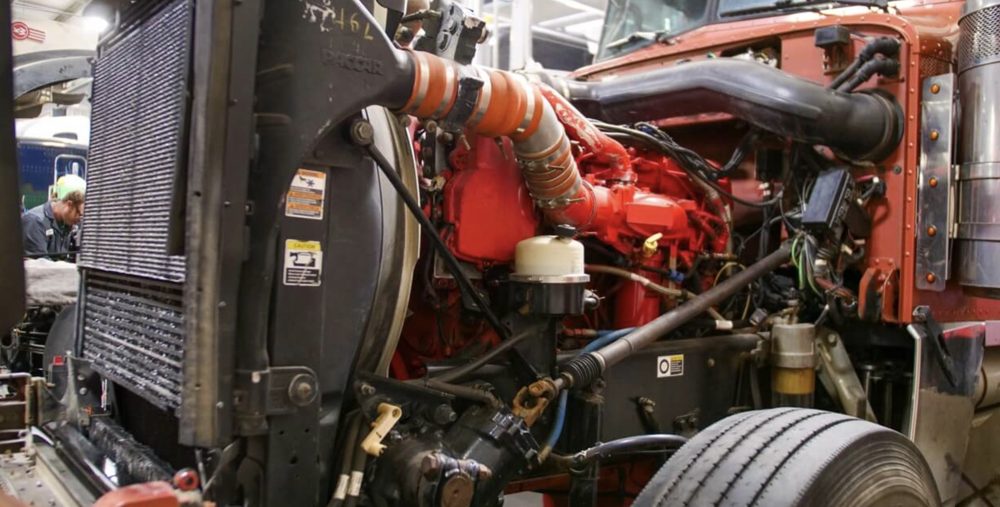
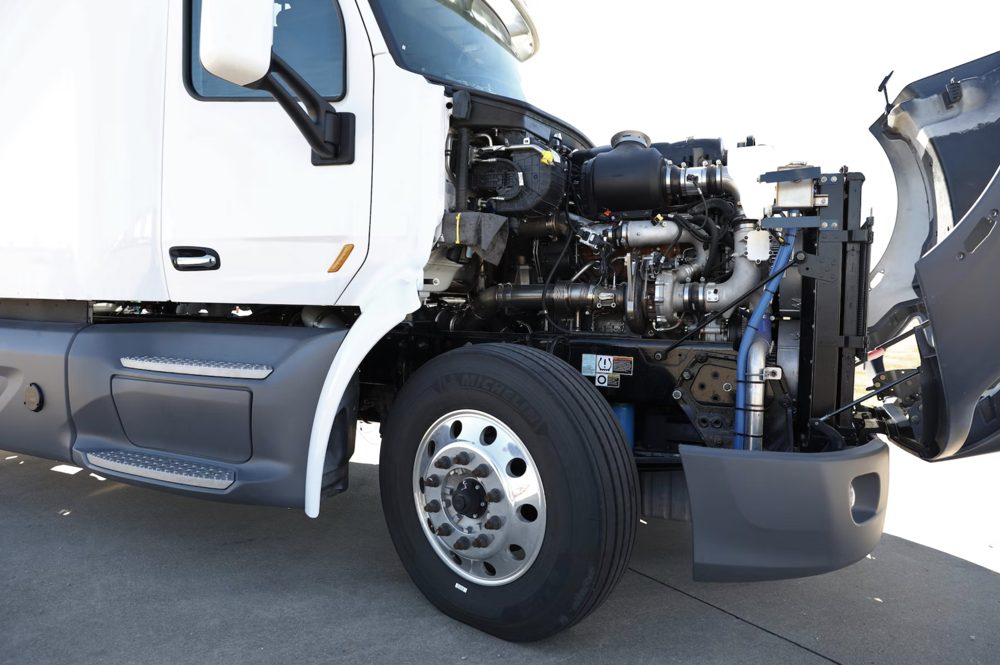
Scanner-led work on no-starts, derates, and fault lights, with testing before parts and plain talk throughout.
The San Gabriel Valley is where LA's freight catches its breath between the ports and the Inland Empire, which means its yards, docks, and freeway shoulders host a steady parade of trucks having bad days. SoCal Mobile Truck & Trailer Repair shortens those days. The technician comes to the truck, on the 210, the 10, the 605, or in the warehouse pockets from El Monte to Irwindale, carrying the parts the phone call suggested.
Diesel work, air and brakes, trailer repair, tires, electrical, and fleet programs. One number for the whole valley, answered by someone who knows which freeway is currently lying about its drive times.
The failure, the spot, the cargo, the mobility. From those four: our best diagnosis, a plain judgment on fixing it in place, and a window quoted against SoCal traffic reality, which we treat as a second dispatcher. Photos help. Fault codes help more.
What you will not get is optimism theater. If the job belongs in a bay, the phone call says so, free, with reasons attached. This valley has enough traffic without adding a wasted service run to it.
Scanner-led work on no-starts, derates, and fault lights, with testing before parts and plain talk throughout.
Freeway miles punish brakes here. Leaks, chambers, valves, and adjustment handled at the yard, set to spec.
Lights, plugs, air, doors, landing gear, floors. Dock-dropped trailers fixed before their next appointment.
Heat-stressed batteries load-tested, charging verified, and the tired connectors found before they strand anyone.
Changeouts and repairs at the truck, pressures set for valley heat, duals checked as pairs.
Scheduled rounds tuned to California compliance calendars and your route map.
Our map runs the east-west freeways: the 210 foothill route, the 10 through the middle, the 60 skirting the south, with the 605 and 57 stitching them vertical. In between sit the working cities: El Monte, City of Industry, Irwindale, Duarte, Azusa, and the warehouse districts that make this valley a logistics organ rather than a suburb. Pasadena proper supplies the name and a surprising number of box truck fleets; the freight mass lives east of it.
We also catch the mountain edge: trucks coming off the 15 through Cajon meet this valley tired, and the ones heading up deserve a look first. Grade physics does not care that the sun is out.
Location detail first, because valley addresses hide inside business parks:
City of Industry alone holds more fleet yards than most states, and their common enemy is downtime multiplied by distance to the nearest open bay. Our fleet accounts flip that math: scheduled maintenance in your own yard, written records per unit, and pattern warnings when a truck starts repeating a failure. The single-truck operator hauling produce or freight gets the same diagnostics with less paperwork.
Every visit closes with a usable decision: rolling, flagged, or bay-referred with the workup done. Dispatch runs on decisions, not adjectives.
They are the heart of the territory. The warehouse districts along the 60 and the 605 see our trucks daily, and the yards there know the number by heart.
Depends on the shoulder and the hour, and we are honest about both. Where a technician can stand protected, we work. Where they cannot, the first move is a short controlled relocation, and we help arrange it.
The valley edge is the natural border, but calls near the 15 interchange get judged case by case against traffic and our current position. You get a real answer in one call, not a transfer chain.
That is what the scheduled rounds are for: brakes, lights, tires, air, and the items California checks hardest, swept in your yard on a calendar. Clean inspections are cheaper than clean-up afterward.
The trailer side fully, with cold cargo triaged first. Give us the load temp up front and the plan protects the produce before it flatters the equipment.
SoCal freight moves at dawn and after dark to dodge the traffic, and the dispatch line keeps the same strategy. Same triage all hours.
Steadily. The valley's produce and food-service distributors run tight cold chains, and their trailer-side problems get cargo-first triage. Lead with the load temp and the plan writes itself.
By treating it as part of the diagnosis. We route with the traffic data open, quote the window you can actually expect, and tell you plainly when meeting at a smarter location beats waiting at a worse one.
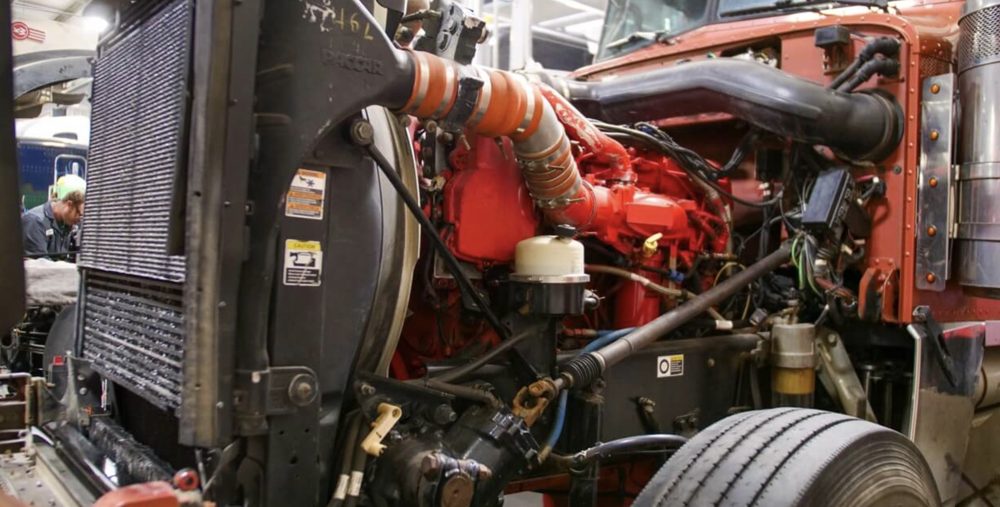
No winter does not mean no wear. Valley heat cooks batteries from June through October, stop-and-go freeway miles glaze brakes and strain cooling systems, and the sheer daily mileage of regional freight compresses maintenance calendars that look reasonable on paper. Our stock leans batteries, cooling, and brake hardware because that is what this valley actually consumes.
The other local force is regulation. California equipment rules reward fleets that stay inspection-ready year round, and our yard rounds are built with those checklists in mind. A truck that passes its checks quietly is a truck nobody writes up, and boring paperwork is the best paperwork in this state.
One more valley constant: distance-to-bay math. The nearest open heavy bay can be an hour of surface streets away at working hours, which converts even minor shop jobs into full-day absences. Most of what fails on a working truck never needed the bay in the first place, and proving that daily is the entire reason our phone stays busy.
People hear Pasadena and think parades. Our customers hear it and think of the stretch where the 210 meets the freight day: the box trucks running foothill deliveries, the contractors staging out of the arroyo yards, and the constant east-west flow between LA proper and the warehouse valley. Both Pasadenas are real. We just happen to serve the one with air brakes, and it keeps us busier than the parade ever could.
That mix defines the stock we carry: linehaul-grade parts for the corridor traffic, delivery-fleet staples for the city work, and the diagnostic gear that serves both without prejudice.
This valley moves fresh food toward the city and import freight away from the ports, two cargos that age badly in a shop queue. Mobile repair keeps their equipment in motion: the reefer trailer fixed at the cold dock, the drayage tractor sorted in the yard between turns, the delivery box back on its route before the route notices. When cargo has a clock, the repair has to respect it, and ours does.
Towing a truck across this basin at working hours costs more time than most repairs take. That single fact built the mobile repair industry here, and it keeps building it every year the freeways stay full. The truck holds still, the fix travels, and the schedule survives. Southern California logistics in one sentence.
Exit or park name, failure, cargo, clock. You get the verdict and the window, and the technician gets moving. That is the entire transaction.
Local service detail
Pasadena truck and trailer calls often depend on foothill-route access, city-lot clearance, and accurate symptom details before mobile repair work begins.